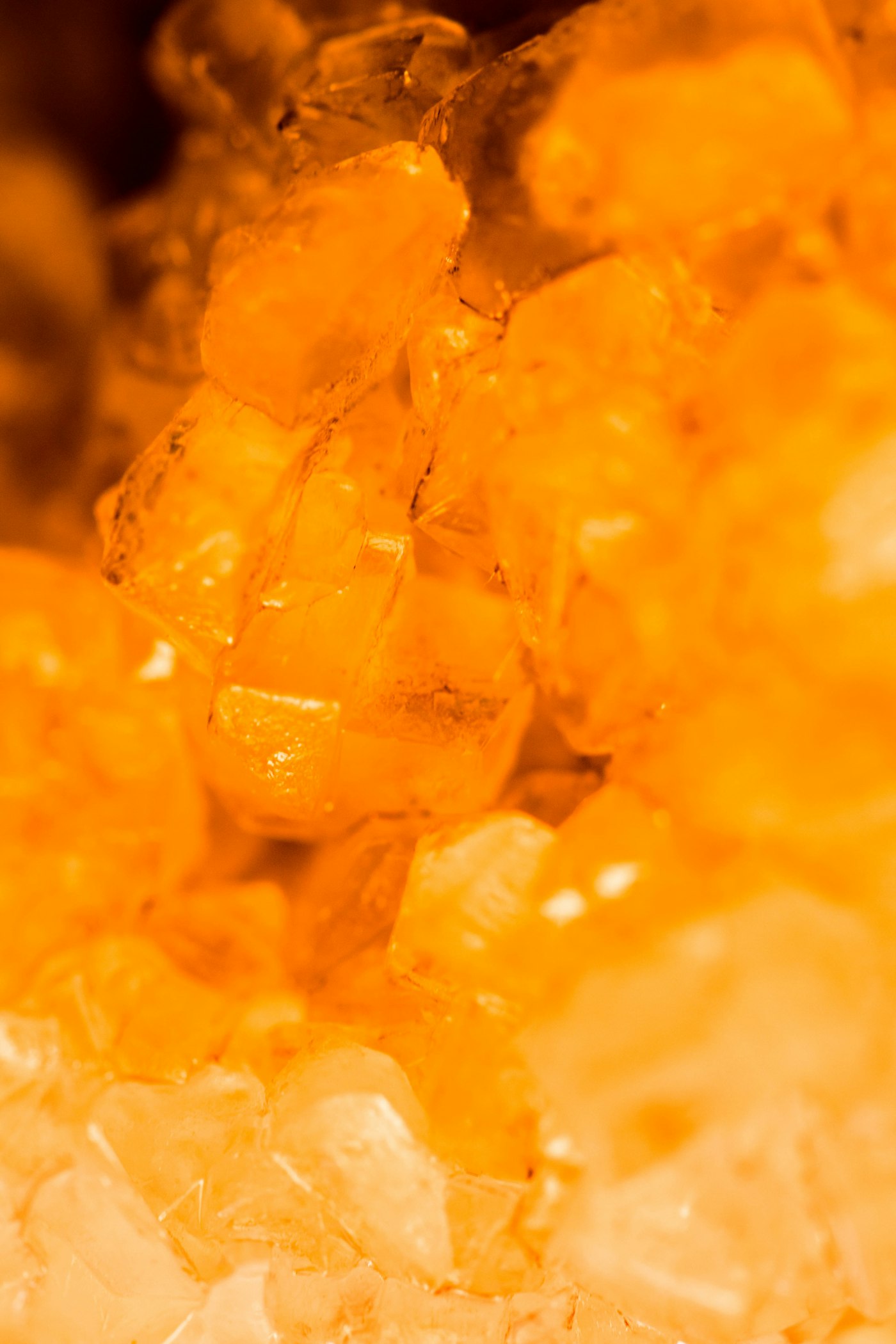
In popular wisdom, in Europe as in the Far East, amber has always been considered a precious material. It is not a mineral or a crystal, but a fossil resin produced by great fossilized forests, and the earliest dating of its formation goes back over 300 million years. Used since ancient times for its beauty, with which the Greeks and Egyptians crafted jewelry and votive statues, it is still rightly regarded today as highly valuable, not only for the considerable age each piece of amber bears witness to, but for its properties.
Even in our modern digital world, it is fairly common to come across newborns or toddlers in strollers wearing amber necklaces, made of irregularly shaped honey-colored beads.
Vanity? Superstition? A fashion trend?
Let us explain right away that amber, in contact with the skin, releases the succinic acid it is partly made of, which is then absorbed through the skin. Succinic acid has soothing, pain-relieving, antioxidant properties, and stimulates the immune system; it is extracted from amber for medical purposes (such as the production of antibiotics and other medicines), but its prolonged contact with the skin, as happens for example when an amber necklace is worn for a long time, releases a good quantity of it for the wearer's benefit.
This helps us understand why, in so many cultures, from the Baltic Sea (where amber is a highly prized resource both for the purity of its deposits and for the sheer quantity of raw material available) all the way to old Europe, amber has been used to soothe various ailments. Among these, above all, is teething in babies, which is often painful and irritating, leaving them fussy, off their food, and sometimes feverish. For the same reason, it is excellent for calming the pain of ear infections, skin irritations, and digestive troubles, and is generally valued for its pain-relieving effects.
It matters little whether the amber is light honey-colored or dark, dense or nearly transparent, glossy or matte, brownish or leaning toward yellow. All natural amber sold commercially releases succinic acid and can be used for these purposes, as long as it is genuine amber, not chemically produced, not melted and artificially reassembled, or, worse still, plastic.
Expectant and new mothers can find simple amber necklaces (for their little ones) or bracelets (for themselves) at herbalist shops and pharmacies, rather than on websites specializing in crystals and minerals. There is therefore nothing strange or naïve about drawing on these good old «grandmother's remedies» at low cost: a few drops of lavender oil in the water for baby's relaxing bath, a handful of rice starch to wash a newborn's reddened bottom or strengthen their skin, massaging the soles of little feet with thyme cream when they have a cold. As often happens, the wisdom of people from long ago drew on sources of knowledge that remain unknown and unexplained to us. As modern parents, all that is left for us to do is to explain, through scientific means, the reasons behind knowledge lost in the mists of time, which we can, with patience and humility, recover and use for our wellbeing.